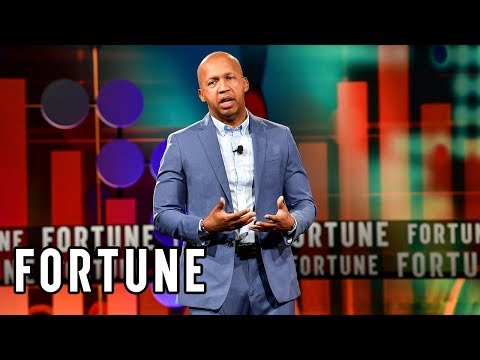
In this keynote from the 2018 Fortune CEO Initiative, Bryan Stevenson argues that true social justice requires getting proximate to marginalized communities, changing the narratives of fear and racial bias, staying hopeful, and embracing the uncomfortable work necessary for change. He concludes that the opposite of poverty is not wealth, but justice.

In her TED Talk, "How to Fix a Broken School? Lead Fearlessly, Love Hard," Linda Cliatt-Wayman shared her experience leading a struggling North Philadelphia high school. Her three core principles for leadership in low-performing schools are to lead fearlessly, adopt a "so what, now what?" attitude towards obstacles, and ensure students know they are loved.
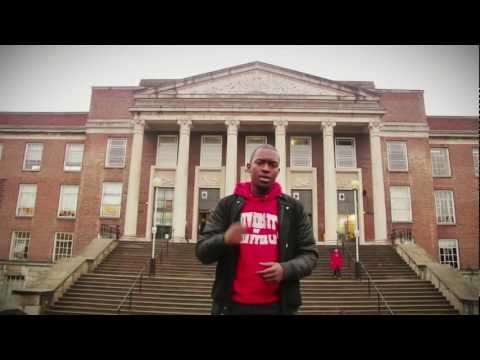
In his viral spoken-word poem "Why I Hate School But Love Education," Suli Breaks delivers a powerful critique of the modern schooling system, arguing that formal education often prioritizes standardized testing and rote memorization over true learning and individual passion. He highlights the distinction between obtaining a degree and gaining an education, urging listeners to define success beyond traditional institutional benchmarks.
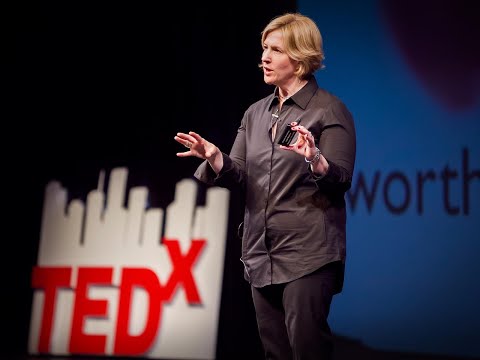
In her TED Talk "The Power of Vulnerability," Brené Brown discusses her research on human connection, shame, and empathy, arguing that vulnerability is the birthplace of joy, creativity, and belonging. She suggests that people with a sense of worthiness embrace vulnerability and imperfection.

In her TED Talk "The Danger of a Single Story," novelist Chimamanda Ngozi Adichie explores how limited narratives can shape perceptions of other cultures and people, arguing that identifying a person or country by a single, often stereotypical story leads to critical misunderstandings. She advocates for embracing a "balance of stories" to gain a more complex understanding of the world.
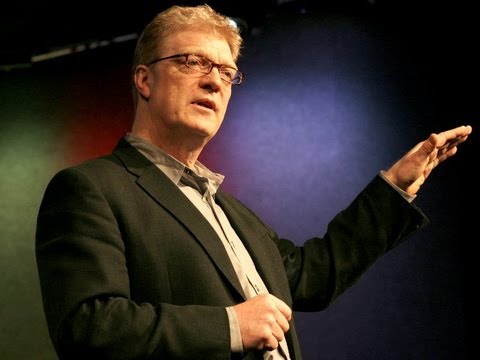
In his TED Talk "Do Schools Kill Creativity?", Sir Ken Robinson argues that current education systems, rooted in the Industrial Revolution, prioritize academic skills and testing over creativity, advocating for a reform that values diverse forms of intelligence equally. He emphasizes creating learning environments where students feel safe to explore ideas without fear of being incorrect, stating that originality requires a willingness to be wrong.
